Bohemian Istanbul
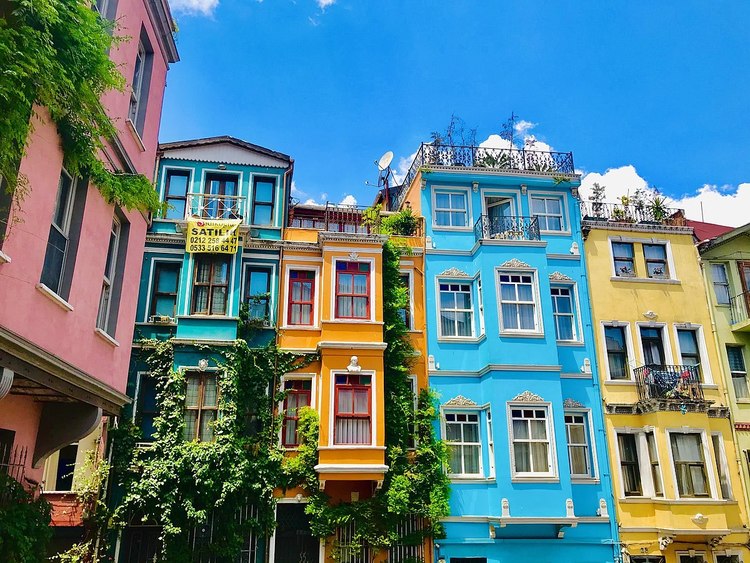
Istanbul's Creative Soul
Beyond the grand mosques and ancient palaces that define Istanbul's historic identity lies a vibrant, creative undercurrent that reveals the city's contemporary cultural renaissance. In recent decades, Istanbul has emerged as one of the world's most dynamic centers for alternative culture, with bohemian neighborhoods that showcase the artistic spirit and progressive energy of modern Turkey.
These creative districts offer visitors a chance to experience Istanbul beyond the tourist trail—to discover the city as locals live it, with its thriving art scenes, innovative culinary experiences, and distinctive urban subcultures. Each neighborhood has its own character, representing different facets of Istanbul's evolving identity.
European Side: Creative Hubs
Karaköy: From Port District to Design Quarter
Once a gritty port area, Karaköy has undergone a remarkable transformation to become Istanbul's most rapidly evolving creative district. Historic han buildings (Ottoman-era commercial structures) now house contemporary art galleries like Istanbul'74 and Mixer, while abandoned warehouses have been converted into multidisciplinary cultural spaces.
The neighborhood's narrow streets reveal layers of history alongside cutting-edge design. Street art adorns century-old buildings, while concept stores showcase works by emerging Turkish designers. The district's coffee culture is particularly noteworthy, with specialty cafés like Karabatak and Ops pioneering third-wave coffee in Istanbul. These spaces often double as informal co-working environments where the city's creative professionals gather.
Galata: Bohemian Heritage
Centered around the iconic medieval Galata Tower, this historic neighborhood has long attracted artists, musicians, and intellectuals. Its winding cobblestone streets house some of Istanbul's most established alternative cultural institutions, including performance venues like Salon IKSV and independent galleries that have helped shape the city's contemporary art scene.
Galata's musical heritage is particularly strong—the area is home to numerous instrument shops specializing in both traditional Turkish instruments and modern equipment. Rooftop venues like Mikla and Georges offer spectacular panoramic views alongside cultural programming that ranges from jazz performances to literary events.
Cihangir: Literary Quarter
With its tree-lined streets, Art Nouveau architecture, and abundance of cats, Cihangir has become Istanbul's equivalent of Paris's Left Bank—a neighborhood favored by writers, journalists, and intellectuals. Nobel Prize-winning author Orhan Pamuk set much of his novel "The Museum of Innocence" here and later established an actual museum of the same name in the neighborhood.
The area's café culture is central to its identity, with establishments like Susam and Journey serving as informal salons where literary discussions unfold. Antique shops and secondhand bookstores add to the neighborhood's intellectual atmosphere, while its numerous cat-friendly spaces reflect the Turkish affection for feline companions.
Asian Side: Alternative Scenes
Kadıköy: Istanbul's Brooklyn
Across the Bosphorus on Istanbul's Asian side, Kadıköy has emerged as the city's most dynamic alternative neighborhood, often compared to Brooklyn for its youthful energy and creative spirit. The Moda district in particular has become a center for independent culture, with venues like Kadıköy Sahne hosting underground music performances and Moda Sahnesi screening arthouse films.
The neighborhood's culinary scene reflects its progressive character, with numerous vegetarian and vegan restaurants, craft beer bars like Bira Fabrika, and experimental food concepts. Independent bookstores such as Pandora and Kafka foster intellectual exchange, while record shops like Gramofon maintain vinyl culture. The district's walls serve as canvases for some of Istanbul's most striking street art, often carrying social and political messages.
Yeldeğirmeni: Emerging Arts District
Adjacent to Kadıköy, the formerly working-class neighborhood of Yeldeğirmeni has rapidly developed into an arts district following the Mural Istanbul Festival, which invited international street artists to transform the area's buildings. Today, the neighborhood houses numerous artist studios, alternative galleries, and community-oriented cultural spaces like TAK (Design Atelier Kadıköy).
The area maintains a more residential character than other creative districts, with a strong sense of community evident in initiatives like urban gardens and neighborhood festivals. Its affordability has attracted young artists and designers, whose presence continues to shape the district's evolving identity.
Contemporary Cultural Movements
Istanbul's bohemian neighborhoods are not just geographic locations but centers for cultural movements that reflect Turkey's complex position between tradition and modernity, East and West. Independent publishing houses, experimental theater companies, and grassroots music scenes flourish in these areas, creating platforms for voices that might not be represented in mainstream culture.
The city's creative communities often engage with social and environmental issues through their work, from sustainability-focused design collectives to community art projects addressing urban transformation. Despite challenges, Istanbul's bohemian spirit continues to thrive, offering both visitors and residents spaces for exploration, expression, and connection beyond the expected tourist experience.